
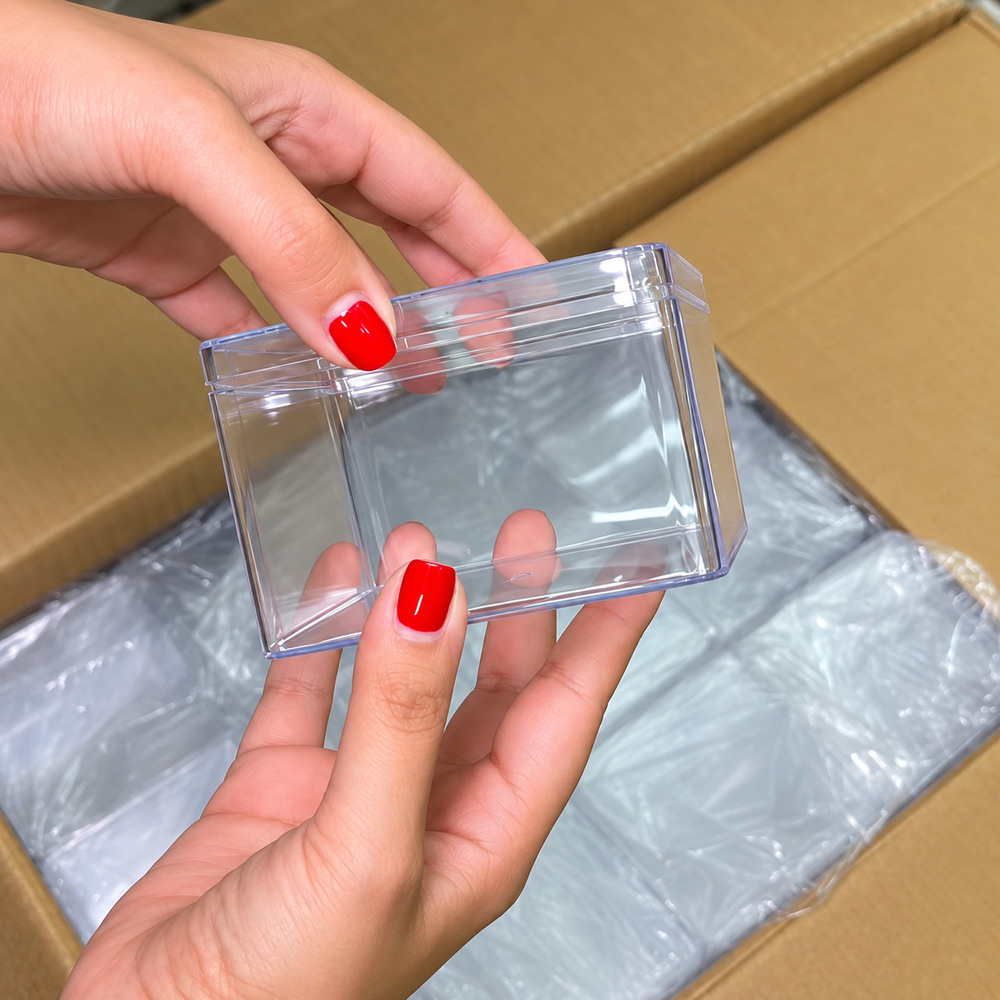
A sample review helps a bakery, caterer or distributor check whether a tiramisu pack works for its actual product. Approve the complete box-and-lid combination before confirming a bulk specification.
1. Record the sample you are testing
Start with a shortlist from the box size chart. Ask the supplier to identify the box SKU, matching lid, material and intended use for each sample. Keep different models separate and label your notes with the same references.
Use your normal finished dessert, toppings, label, sleeve and carrying pack. Record the filled weight and the storage, display and transport conditions you plan to evaluate. Agree acceptance criteria before the trial; this checklist is a practical purchasing aid, not a certified laboratory test or a product performance rating.
2. Check the dessert and serving space
Fill the sample to your intended portion level. Close the lid and inspect the tallest topping, corners and rim. Check that the dessert can be packed and served without damaging its presentation. Nominal millilitres and outside dimensions cannot establish usable internal space.
Compare the pack with the shelf, bag and outer carton you plan to use. For larger sharing desserts, include how the filled base will be supported and how the dessert will be cut and served. Review the size selection guide if a different format is needed.
3. Test lid closure and normal handling
A clear tiramisu container should let buyers see the layers without the cream touching the lid. Press the lid into place around the full rim. Lift the closed pack as you would at the counter. Check that it stays closed during normal handling. A lid that fits well is not proof that a box is leakproof.
Test a filled sample through your own storage and delivery process. Place it in the bag or outer box you plan to use. Check for lid movement, marks and crushed toppings at the end of the trial. If you stack packs, test the height and weight of the stack. Ask us to confirm the intended use and temperature limits of the selected material.
4. Evaluate the complete branded pack
Add the actual sleeve or proposed label sample. Check that it does not obstruct the closure, cover essential information or hide more of the dessert than intended. Handle the finished pack as your team and customers would. Look for slipping sleeves, lifted labels and pressure on the box.
Time a small packing trial with your staff and record any rework. Compare accessory options using the same box and process. Review paper sleeves versus logo labels for artwork, folds and approval details.
5. Write down what passed and what needs changing
Keep a simple record with the approved sample. Avoid an approval that says only “looks good”: identify the exact version and conditions so a repeat order can be compared with it.
| Record | What to include |
|---|---|
| Pack identity | Box SKU, lid reference, material, supplier sample reference and photos. |
| Trial conditions | Finished dessert size and weight, filling level, storage conditions, stack arrangement and carrying pack. |
| Observed result | Fit, closure, handling, presentation and any damage or movement seen. |
| Required changes | Issue, proposed change, responsible contact and whether a new sample is needed. |
| Final approval | Approved model, artwork revision, packing specification, date and approver. |
If a material, lid, print file or packing arrangement changes, review whether the affected checks need repeating. Keep quotation scope, component counts and delivery terms with the wholesale order brief.
6. Compare the delivery with the approved sample
Before a bulk order, make a short record for each sample you approve. Note the box model, material, lid style and pack size. Add a photo of the empty box and one of the filled dessert. Record what you tested and what passed. Share any changes you need before approving the order. Keep the sample in a safe place so your team can use it as a reference.
When goods arrive, compare the carton labels with your order. Check the carton count and look for damage to the outer packs. Open cartons from more than one part of the shipment. Compare the box and lid with your approved sample. Look for marks, cracks or a change in fit. Count the contents against the agreed pack count. Note the carton labels if you find a problem.
Take clear photos of any issue before you move the goods into stock. Include a view of the carton label and a close view of the affected part. Tell us how many cartons or pieces you checked and how many were affected. This gives our team clear information to review. For repeat orders, use the same model reference and approved artwork. Confirm any change in size, lid, print or packing before placing the next order.